Best Places to Live in Spain for Americans (2026)
Spain is not one destination. Where you land shapes your cost of living, your community, your weather, and how quickly you feel at home. Here is where Americans actually settle in 2026, and how to match a city to your life.
Why Americans Choose Spain
Spain draws Americans for reasons that go beyond a good exchange rate. The country pairs a mild Mediterranean climate with a strong public health system (Seguridad Social), low violent crime, and cities built for walking rather than driving. Daily life leans social: long lunches, evening strolls (paseo), and neighborhoods where you know the pharmacist and the fruit seller by name.
The financial contrast is real. Rent, groceries, dining, and healthcare typically cost a fraction of what a family pays in San Francisco, New York, or Boston. That gap lets many Americans downshift their working hours, retire earlier, or raise children with more space and less debt. For the numbers behind this, see our cost of living in Spain guide.
The visa question sits underneath all of it. Most Americans arrive on the Digital Nomad Visa, the Non-Lucrative Visa, or a residence permit tied to work or study. Your city does not change your eligibility, but it changes your budget and your community. Start with the Digital Nomad Visa guide if you work remotely.
One point often gets lost in the excitement of choosing a city: the practical setup is the same wherever you land. You will need a foreigner identity number (NIE), a town-hall registration (empadronamiento), a Spanish bank account, and eventually a residency card (TIE). The city changes the flavor of daily life, not the paperwork underneath it, so it is worth choosing on lifestyle and cost rather than on which city looks easiest to move to. The profiles that follow assume you have, or will have, a valid residence route in place.
How We Rank Cities for US Expats
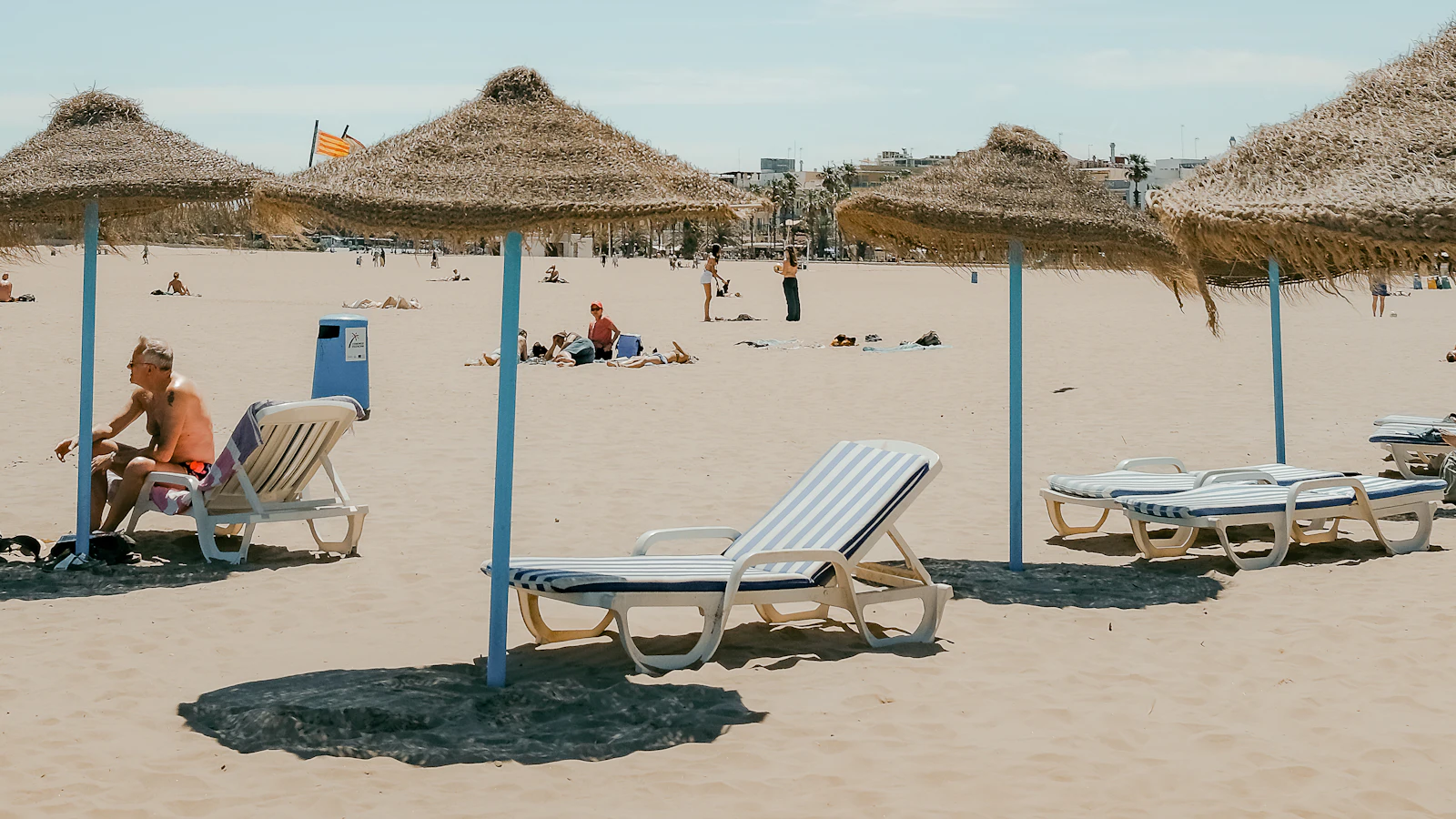
We rank cities on the six factors that decide whether an American stays or leaves. Elena has guided US families into every city on this list, and the pattern is consistent: people who choose a city on lifestyle alone often move again within two years, while those who weigh all six factors settle in.
- Cost of living: rent, groceries, dining, and healthcare on a real monthly budget.
- Community: the size and warmth of the English-speaking and American expat scene.
- Weather: sunshine, summer heat, winter mildness, and rainfall over the year.
- Jobs and nomad scene: coworking, internet speed, local hiring, and remote-work culture.
- Healthcare: access to strong public hospitals and English-speaking private clinics.
- Schools: international and bilingual schools for families with children.
No city wins on all six. The goal is not a single winner but the right match for your priorities, which is why the comparison table and the priorities section below matter more than any ranking headline.
Valencia: Coast, Cost, and Calm
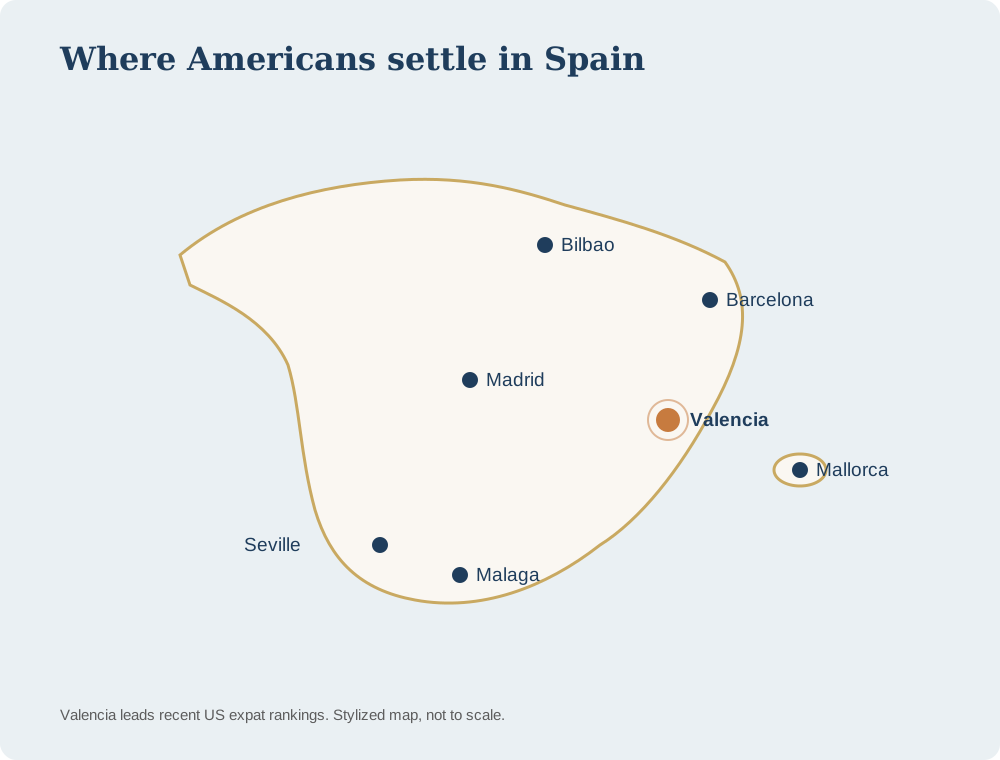
Valencia is the city most Americans wish they had discovered first. Spain's third largest city sits on the Mediterranean coast, pairing beaches and 300 days of sun with prices well below Madrid and Barcelona. It is walkable, flat enough to cycle end to end, and calm in a way that big-capital life is not.
The cost gap is the headline. As of 2026, a one-bedroom apartment in a central Valencia neighborhood rents for roughly 900 to 1,300 euros per month, indicative and rising, against noticeably more in Madrid or Barcelona. Dining, groceries, and services follow the same pattern. The English-speaking community has grown fast, with active groups for newcomers, families, and remote workers.
Valencia is also home base for our practice. Elena is a colegiada gestora (licensed administrative professional) based in Valencia, which means US clients settling here get in-person support with the padrón, TIE cards, schools, and local providers. For the full picture, read the living in Valencia guide.
The trade-offs are modest. Direct US flights usually route through Madrid or Barcelona, and the career market for local, in-office jobs is smaller than in the capital. For remote workers, retirees, and families, those are minor next to the quality of life.
Valencia also scores well on the intangibles that decide whether a move sticks. The pace is unhurried without feeling provincial, the beaches and the Turia riverbed park give the city green and blue space in abundance, and the food culture, from the Mercado Central to Sunday paella by the Albufera lagoon, is woven into ordinary weeks. It is the city we know best, and the one we most often recommend to Americans who want a balanced first landing rather than a big-capital plunge.
Madrid: The Capital Career Hub
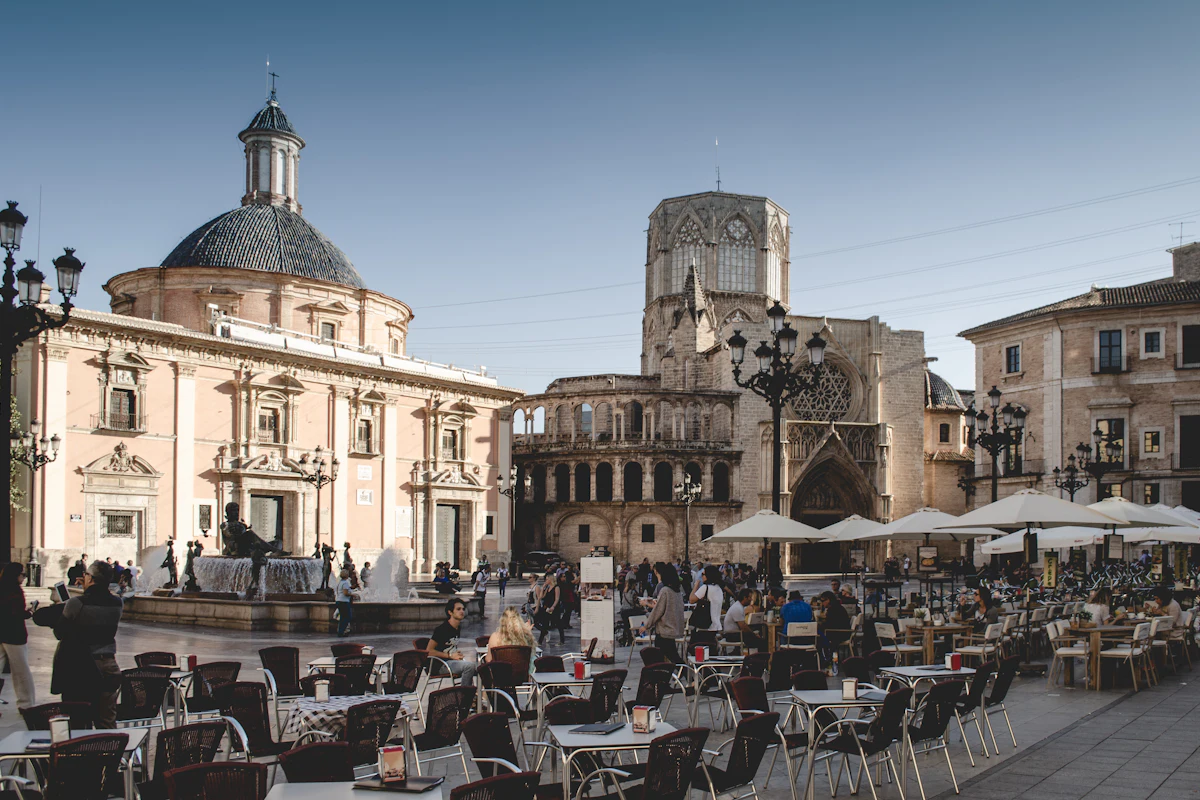
Madrid is the choice for Americans who want a capital-city career and central access to the rest of Spain and Europe. The city concentrates multinational employers, the deepest professional network, and the most direct flights to US cities, all served by an extensive metro.
Madrid sits inland on a high plateau, so the climate runs to hot, dry summers and crisp, cold winters rather than the coastal mildness of Valencia or Malaga. There is no beach, but there are large parks, a dense cultural calendar, and day trips to Toledo, Segovia, and the Guadarrama mountains.
Cost is higher than the coast. As of 2026, central rents and dining sit at the top of the mainland range, though still below comparable US capitals. Madrid also has the widest selection of international and American-curriculum schools, and a strong concentration of top public hospitals and private clinics. See the living in Madrid guide for detail.
Madrid rewards Americans who want to plug into a working city rather than a resort. The professional network is the deepest in Spain, the neighborhoods each have a strong character, from the grand avenues of Salamanca to the bohemian Malasana, and the high-speed rail network fans out to the whole country. Those who miss the sea take the fast train to Valencia or Alicante for weekends. For career-driven households and families who value school choice and connectivity over beach access, Madrid is the natural fit.
Barcelona: International and Cosmopolitan
Barcelona offers the beach and the big-city energy in one package. The Catalan capital is Spain's most internationally known city, with Mediterranean coastline, celebrated architecture, and a large, established foreign community that makes a soft landing easy for Americans.
The lifestyle is the draw: sea and mountains within reach, a dense design and startup scene, and a calendar of festivals and food. As of 2026, Barcelona runs among the most expensive Spanish cities for rent, and the rental market is competitive, so securing an apartment takes preparation and often a local presence.
Barcelona has its own language and identity. Catalan sits alongside Spanish in schools, signage, and public life, which shapes daily interactions and school choices. Americans who embrace that find a rewarding home; those who want a purely Castilian-Spanish experience often prefer Valencia or Madrid. Read the living in Barcelona guide for the full comparison.
For all its intensity, Barcelona offers a lifestyle few cities can match: you can surf or swim in the morning, work in a design studio by day, and hike the hills behind the city on the weekend. It has the strongest international job market after Madrid, a dense startup and tech scene, and direct flights to several US cities. Americans who want a genuinely cosmopolitan base and can absorb the higher cost and the competitive housing market tend to love it.
Malaga and the Costa del Sol: Sun and Community
Malaga and the wider Costa del Sol give Americans the warmest winters in mainland Spain and a large, ready-made international community. Malaga city has reinvented itself over the past decade into a cultural and tech hub, while the coastal towns from Marbella to Nerja host long-established English-speaking populations.
Weather is the anchor. The Costa del Sol enjoys some of the mildest winters in Europe, which is why so many retirees and remote workers cluster here. As of 2026, Malaga city offers good value against Madrid and Barcelona, while premium coastal towns like Marbella command higher rents. English is widely spoken across the coast, easing the first months.
The remote-work scene in Malaga has grown quickly, with coworking spaces and a nomad community that rivals larger cities. For families, the coast has a solid range of international schools. The trade-off is summer crowds and the seasonal, tourist-driven rhythm of the smaller resort towns. See the living in Malaga guide for a closer look.
Seville: Andalusian Culture on a Budget
Seville rewards Americans who want deep Spanish culture at a low cost. The Andalusian capital is a city of orange trees, flamenco, Moorish architecture, and a warmth of daily life that feels quintessentially Spanish, all at prices among the lowest of Spain's major cities.
The value is striking. As of 2026, rent and dining in Seville sit well below the coastal and capital hubs, which stretches a US pension or remote salary further than almost anywhere else on this list. The historic center is walkable and beautiful, and the community feels authentically local rather than expat-driven.
The main trade-off is heat. Seville records some of the hottest summers in Europe, with long stretches above comfortable temperatures, so daily life shifts indoors and to the evening from June through September. The English-speaking community is smaller than in Valencia or the coast, which suits Americans who want immersion rather than a large expat bubble.
Seville also sits well for travel within Andalusia, with Cordoba, Cadiz, and the white hill towns a short train or drive away, and it has an international airport with European connections. For Americans drawn to language immersion, a lower budget, and a city that still feels wholly Spanish, Seville is a strong and underrated choice, provided you plan your life around the summer heat.
San Sebastian: Green Spain and Basque Food
San Sebastian is for Americans who want green landscapes, a temperate climate, and a food scene few places on earth can match. Set on the Bay of Biscay in the Basque Country, the city pairs a crescent beach with rolling green hills and a celebrated pintxos and fine-dining culture.
The climate is the opposite of the south. San Sebastian is mild and green year-round, with more rain and cooler summers, which appeals to Americans from the Pacific Northwest or New England who find the southern heat too intense. The pace is refined and unhurried.
The trade-offs are cost and scale. As of 2026, San Sebastian is among the pricier Spanish cities for its size, the rental market is tight, and the English-speaking expat community is smaller than in the major hubs. The Basque Country also has its own language and strong regional identity. For food-focused, weather-sensitive Americans, few places compete.
Mallorca: Island Living for Americans
Mallorca offers island life with the infrastructure of a mainland city. The largest of the Balearic Islands combines Mediterranean beaches and mountain villages with Palma, a capital that has restaurants, international schools, hospitals, and a busy airport.
The appeal is the setting: turquoise coves, a dramatic Tramuntana mountain range, and a long, mild season. Palma has a cosmopolitan, international feel and a well-established foreign community, including many Americans and northern Europeans who have made the island a permanent home.
Island living carries a premium. As of 2026, rents in and around Palma run high, seasonal demand tightens the market in summer, and everyday goods can cost more than on the mainland because they are shipped in. Off-season, parts of the island quiet down. For those who want beauty and a genuine island community and can budget for it, Mallorca delivers.
City Comparison Table
This table ranks each city on the four factors Americans ask about most. Ratings are indicative and relative to the other cities on this list, not absolute scores. Use them as a starting shortlist, then weigh them against your own priorities in the next section.
| Affordability | Expat community | Weather | Career and nomad scene | |
|---|---|---|---|---|
| Valencia | High | Large and growing | Warm, coastal | Strong for remote |
| Madrid | Lower | Large | Hot summers, cold winters | Strongest for careers |
| Barcelona | Lower | Very large | Warm, coastal | Strong and international |
| Malaga and Costa del Sol | Moderate to high | Very large | Mildest winters | Growing fast |
| Seville | Highest | Moderate | Very hot summers | Modest, local |
| San Sebastian | Lower | Smaller | Green, mild, rainy | Modest, local |
| Mallorca | Lower | Large, international | Mild, long season | Seasonal, remote-friendly |
Affordability rated High means better value; Lower means a more expensive city. These are relative positions among the seven, not a claim that any city is cheap or costly in absolute terms.
Matching a City to Your Priorities
Choose your city by ranking what matters most to you, then reading across the list. The profiles below cover the priorities Americans raise most often.
- Lowest cost: Seville and inland Andalusia lead, with Valencia and Malaga close behind among the larger hubs. See the cost of living guide for real budgets.
- Largest English-speaking community: Barcelona, the Costa del Sol, Madrid, and Valencia offer the softest landing for those starting without fluent Spanish.
- Best year-round weather: the Costa del Sol and Malaga for mild winters, Valencia for coastal balance, San Sebastian for green and temperate if you dislike heat.
- Career and jobs: Madrid first, then Barcelona, for local hiring and multinational employers. All cities work for remote income.
- Remote work and coworking: Valencia, Madrid, Barcelona, and Malaga have the deepest nomad scenes and fastest internet. Any of them suits the Digital Nomad Visa.
- Healthcare access: Madrid, Barcelona, and Valencia concentrate the top hospitals and English-speaking clinics. See healthcare in Spain.
- Families and schools: Madrid, Barcelona, Valencia, and the Costa del Sol have the widest school choice. See international schools in Spain.
Most Americans land on a shortlist of two or three cities, then decide after a scouting trip and a look at their visa and tax picture. That is exactly what we map out with you over WhatsApp, so you commit to a lease with the whole move planned.
Frequently Asked Questions
Talk to Elena
Message us on WhatsApp for a real plan
Not sure which Spanish city fits your move?
Message Elena on WhatsApp and leave with a shortlist of cities matched to your budget, your visa, and your family's needs.