Living in Barcelona as an American (2026 Complete Guide)
Barcelona pairs a Mediterranean beach with a world city: Gaudí, a deep tech and nomad scene, and a lifestyle Americans fall for. It is also Spain's priciest rental market. Here is the real cost, where to live, and how to make the move in 2026.
Barcelona in 60 Seconds
Barcelona is the rare city that offers a beach, mountains, world-class architecture, and a real tech economy in one place. For Americans it is the most internationally connected lifestyle city in Spain, which is exactly why housing is competitive. This guide gives the honest numbers and the practical path in.
Why Americans Choose Barcelona
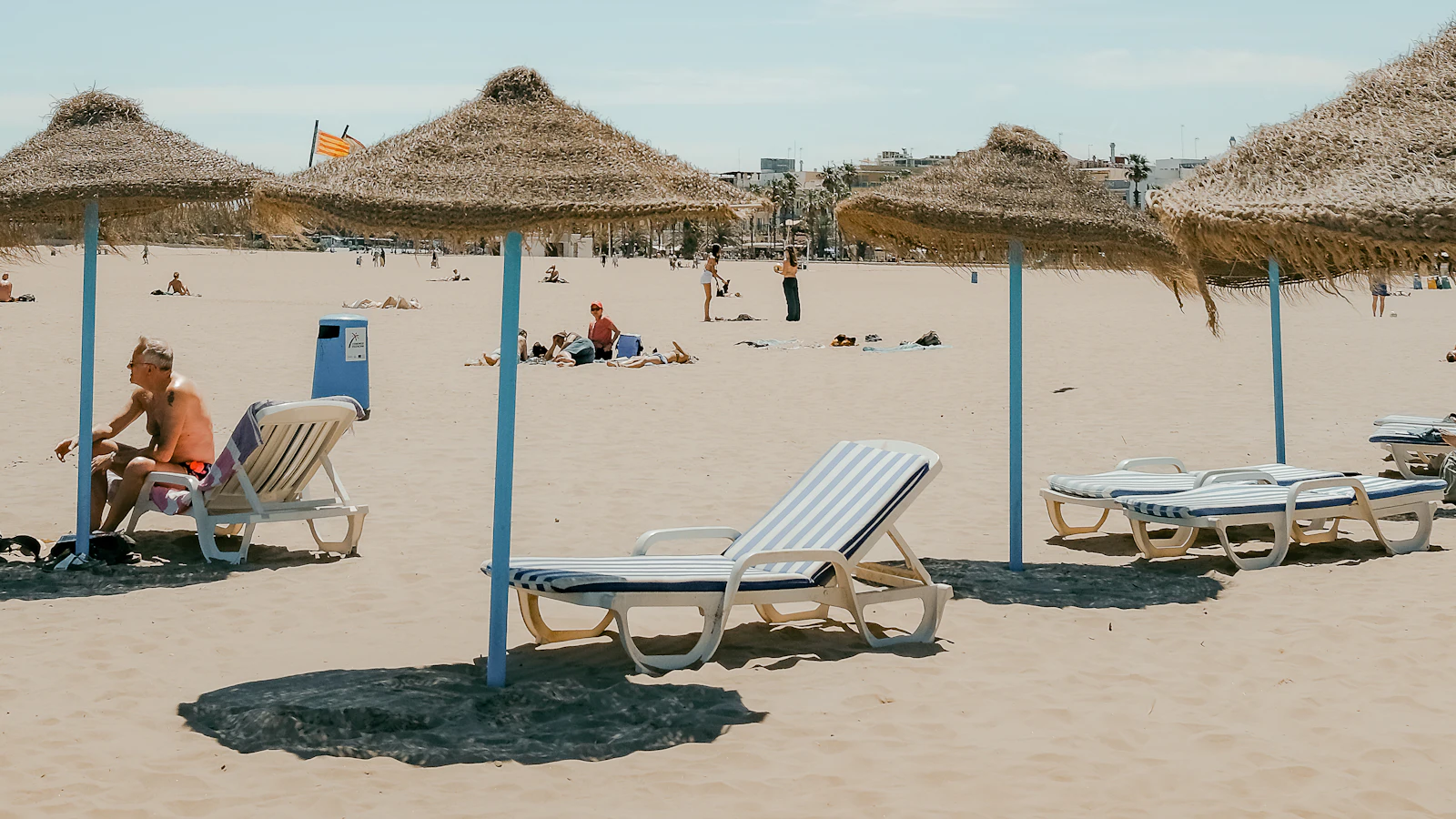
The draw is lifestyle plus opportunity: the sea on one side, a startup and design economy on the other, and a calendar full of culture in between. Remote workers get a ready-made international community and coworking on every corner. Families get international schools and green, residential upper neighborhoods. And everyone gets to swim after work in summer, which few world cities can offer.
Cost of Living in Barcelona (2026)
Barcelona's rents sit at the top of Spain's range, close to Madrid and above Valencia or Seville. Everything else, groceries, transport, healthcare, and eating out, stays well under US-metro levels. The table gives approximate monthly ranges in USD for one person, next to a typical large-US-metro figure. Treat them as planning ranges, not quotes.
| Monthly item | Barcelona | Large US metro |
|---|---|---|
| Rent, 1-bed in the center | $1,300 to $2,000 | $2,500 to $4,000 |
| Rent, 1-bed outside the center | $1,000 to $1,450 | $1,800 to $2,800 |
| Utilities (electric, water, gas) | $110 to $180 | $150 to $250 |
| Internet (fiber) | $30 to $45 | $60 to $90 |
| Monthly transport pass | $22 to $60 | $80 to $130 |
| Groceries (one person) | $250 to $390 | $400 to $600 |
| Private health insurance | $55 to $130 | n/a (employer plan) |
| Dinner out for two | $50 to $80 | $80 to $140 |
Compare cities in our cost of living in Spain guide, and check the visa income floor in USD with the income requirement calculator.
Neighborhoods for Americans
Central and classic: Eixample (grid-elegant, walkable, central). Social and village-like: Gràcia, a long-time expat favorite. Family and green: Sant Gervasi and Sarrià in the upper city, near international schools. Beach and tech: Poblenou, where the nomad and startup scene meets the sand. Lively but touristy: Barceloneta and the Gothic Quarter, better for a visit than a lease.
The Digital Nomad Scene
Barcelona is one of Europe's top remote-work hubs. Coworking spaces are everywhere, internet is fast, meetups are constant, and the airport connects directly to major US cities. For remote-earning Americans, the Digital Nomad Visa plus Beckham Law is the combination that makes the city work on paper as well as in life.
Language: Catalan and Spanish
Catalonia is bilingual. Catalan is co-official and dominant in signage, government, and public schooling, while Spanish is universally spoken. You can relocate, work, and live day to day in Spanish and English, and Americans routinely do. Learning some Catalan is appreciated and helps with schools and long-term integration, but it is not a barrier to moving.
International Schools and Healthcare
Barcelona has a strong set of international and bilingual schools, many in the upper neighborhoods and nearby towns; see our international schools guide. Healthcare is excellent: you hold private insurance for the visa, inexpensive by US standards, and can access public care once resident. Our healthcare in Spain guide covers both, and healthcare registration is a post-arrival step we handle.
Getting Around
Barcelona is compact and Metro-rich, so most residents live car-free. The Metro, buses, and trams cover the city, Rodalies commuter trains reach the suburbs and the airport, and high-speed AVE trains reach Madrid in around two and a half hours. El Prat airport runs direct flights to several US cities.
Visas and the Move Itself
The city is the fun part; the visa and taxes are where preparation matters. Remote workers use the Digital Nomad Visa, retirees and the financially independent use the Non-Lucrative Visa, and both should map the US-Spain tax picture before arriving. After you land, the NIE, TIE, and empadronamiento steps make your residency official.
Frequently Asked Questions
Related reading
Talk to Elena
Message us on WhatsApp for a real plan
Planning a move to Barcelona?
Message Elena on WhatsApp and leave with the right visa route, a realistic budget, and a document checklist for your move to Barcelona.