Marcus T., Software Engineer
W-2 engineer from Austin approved for the Digital Nomad Visa with Beckham Law elected in the same quarter.
Processing time: 41 days
Read the caseThis is the master guide to relocating from the United States to Spain in 2026. It walks the whole journey, from choosing a visa and handling US taxes to apostilles, arrival, and long-term residency, in the order you actually do them.
Most Americans overestimate the legal barrier and underestimate the paperwork. There is no lottery and no employer sponsorship maze. If you earn remote income or live on savings and investments, a residence visa is within reach. What takes time is the document chain: gathering US records, getting each one apostilled, then having it sworn-translated into Spanish before a consulate will accept it.
This guide is written by a Valencia colegiada gestora administrativa (a licensed administrative agent) who files these cases. It follows the true order of operations, so you can read it top to bottom and treat each Section as a step. The single most common mistake we fix is people who apply for a visa before they understand their US tax position. We put taxes second on purpose, right after choosing the visa, because it shapes everything else.

Your income type decides your visa. This is the fork in the road, and getting it right saves months. Two visas cover the large majority of Americans, with a few specialized routes for founders and investors.
The Golden Visa investment route was ended in April 2025, so buying property is no longer a shortcut to residency. For most working-age Americans the choice is DNV versus NLV, and it turns on one question: do you need to keep working, or not?
| Digital Nomad Visa | Non-Lucrative Visa | |
|---|---|---|
| Best for | Remote workers, freelancers | Retirees, passive income |
| Can you work? | Yes, for non-Spanish income | No paid work in Spain |
| Indicative income floor | About 2,650 EUR per month | About 2,400 EUR per month |
| Beckham Law eligible | Often yes | No |
| Initial validity | 1 year (consulate) or 3 years (in Spain) | 1 year, then renewable |
These figures are indicative for 2026 and move with Spain's minimum wage (SMI), the IPREM index, and the exchange rate. Confirm current thresholds before you rely on them.
A quick way to decide: if you would lose your income by stopping work, you need the Digital Nomad Visa, because the Non-Lucrative Visa forbids working while resident in Spain. If your money arrives whether you work or not, from pensions, Social Security, rental income, or investment withdrawals, the Non-Lucrative Visa fits and avoids the DNV's remote-work documentation. Couples sometimes qualify on either, and the tax consequences in the next step often break the tie.
Handle the tax question before you file the visa, not after. As a US citizen you remain taxed on worldwide income no matter where you live, so moving to Spain adds a second tax system on top of the one you already have. Getting the order right prevents expensive surprises.
Three US obligations follow you across the Atlantic:
On the Spanish side, the tools that prevent double taxation are the US-Spain tax treaty, the foreign tax credit, and for qualifying newcomers the Beckham Law regime, which can apply a flat rate to Spanish employment income for up to six years. Spain also has its own foreign-asset report, Modelo 720, that many Americans miss. We map all of this before your packet leaves the consulate. Read the full breakdown in our US-Spain double taxation guide.
The figures and rules here are indicative for 2026 and are not personalized tax advice. Tax outcomes depend on your specific situation, and thresholds change, so verify against current IRS and Agencia Tributaria sources or with a qualified advisor.
Every US public document you submit to Spain needs an apostille first. An apostille is an international authentication under the Hague Convention that tells Spanish authorities the document is genuine. This is the step that consumes the most calendar time, so start early.
The common documents and where they are apostilled:
Processing time varies widely by state, from about two weeks in some to more than a month in others, and the federal apostille has its own queue. Because each document travels a separate path, plan them in parallel rather than one after another. Our apostille guidance service coordinates the whole set so nothing stalls the filing.
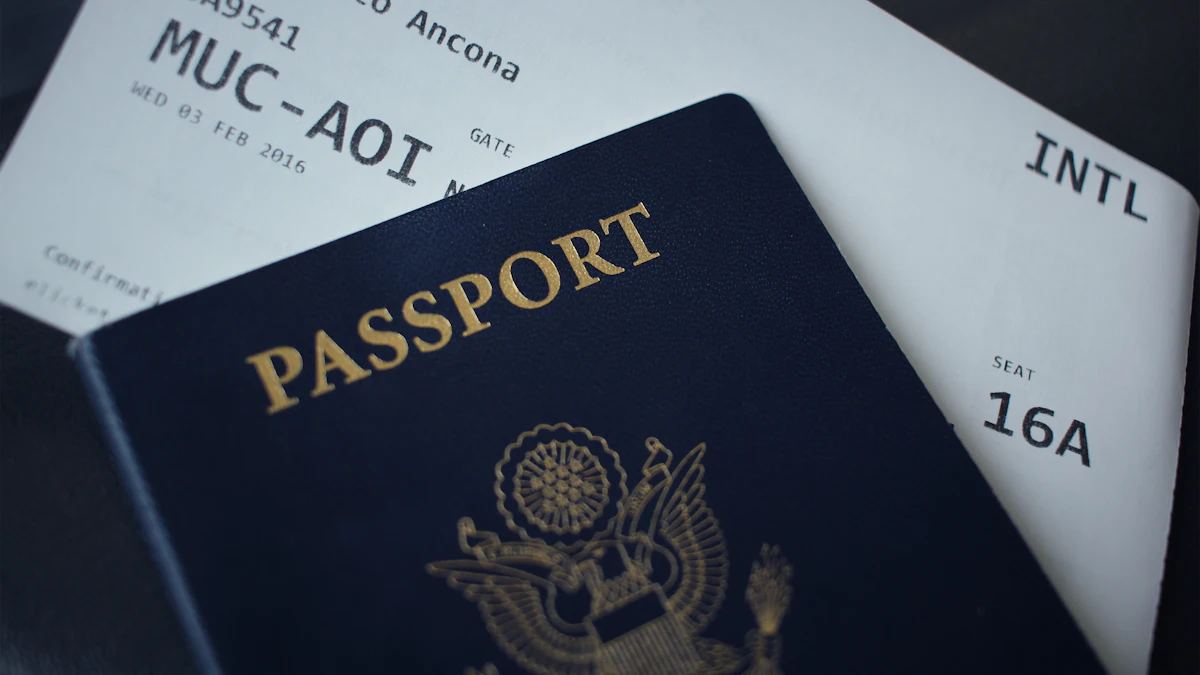
After apostille, each document is translated into Spanish by a sworn translator. Spanish authorities accept only a traduccion jurada (sworn translation) produced by a translator authorized by Spain's Ministry of Foreign Affairs (MAEC). A regular translation, even a professional one, will be rejected.
Order matters. You apostille first, then translate, because the sworn translation must also cover the apostille text itself. Translating before the apostille means paying to translate an incomplete document. Standard turnaround is a few business days per document, and pricing is typically per document or per page.
We use MAEC-certified translators and check that the apostille is included in each translation before filing. See our sworn translation service.
With apostilled and translated documents in hand, you file the visa. You generally apply at the Spanish consulate assigned to your state of residence, and consulates differ in speed and appointment availability, which is one of the first things to map.
For the Digital Nomad Visa there is a second option: applying from inside Spain during a legal tourist stay, which grants a three-year residence permit directly and is often faster than the consulate route. The Non-Lucrative Visa is generally filed at the consulate before you move. A complete, well-documented filing frequently receives a decision within a few weeks, though season and consulate load affect this.
The most common rejection causes are avoidable: income proof that reads unclearly, insurance that does not meet the no-copay full-coverage rule, and translation or apostille errors. Preparation, not luck, is what gets an approval.
While the visa is processing, set up the practical foundations of life in Spain. Three pieces matter most before you land.
Two more items belong on the arrival list for families and pet owners. If you are moving with children, start international-school enrollment before you land, since the best schools carry waitlists and enrollment often needs your address and residency documents. If you are bringing a dog or cat, prepare the microchip, rabies vaccination, and USDA-endorsed EU health certificate on the required timeline before travel, because the paperwork must be completed in a specific window ahead of departure.
Getting these in motion early smooths the first weeks, when you will also be juggling the post-arrival appointments in the next step.
Landing in Spain starts the second paperwork phase, done locally within your first weeks. Three tasks anchor it, and they interlock.
Appointment backlogs are the usual friction point, and the tasks depend on one another in sequence. We handle these post-arrival steps so you are not navigating Spanish bureaucracy alone in a new country. See healthcare in Spain for how coverage works.
Approval is a beginning, not an end. Residence permits renew on a schedule, and missing a renewal window is one of the few ways to lose hard-won status, so calendar them from day one. Each renewal generally asks you to show that the conditions that qualified you still hold.
Over time the path opens up. Most residents can apply for permanent residency after five years of legal, continuous residence, which removes the income-condition renewals. Spanish nationality typically becomes available after ten years, with a language and civics exam, though US citizens should think carefully about Spain's dual-nationality rules before that step. Throughout, keeping your US and Spanish tax filings current is what keeps the long game clean.

For most Americans, Spain costs meaningfully less than home, especially on rent, dining, and healthcare. A budget that feels tight in a major US metro often feels comfortable in a Spanish city. The numbers below are illustrative estimates for 2026 and vary by city and lifestyle.
On roughly 3,000 US dollars per month, a single person or a frugal couple can live well in many Spanish cities: a modern one or two bedroom apartment, groceries from Mercadona, a menu del dia (fixed-price lunch) out several times a week, public transport, and private health insurance, with room left over. The same budget in New York, San Francisco, or Boston is often consumed by rent alone.
The trade-offs are real: US salaries are higher, and some imported goods and electronics cost more in Spain. But the day-to-day baseline, housing, food, transit, and medical care, is where Americans feel the difference. For the full city-by-city breakdown with EUR and USD figures, see our cost of living in Spain guide.
City fit comes down to work, schools, budget, and climate. There is no single best city, but a few patterns hold for American families.
Families usually weight international-school availability and commute most heavily. For a structured comparison, see best Spanish cities for Americans.
Before residency, Americans live under the Schengen 90-day rule. You may spend up to 90 days in any rolling 180-day period in the Schengen Area without a visa. It is a rolling window, not a calendar-year reset, so each day you are present counts against the trailing 180 days.
This matters for planning. Many Americans do a scouting trip within the 90 days, then return home to file, or file the Digital Nomad Visa from inside Spain during a legal tourist stay. Overstaying the 90 days can trigger penalties and, worse, complicate a later residence application, so track it carefully. Once your residence visa is active, the 90-day tourist limit no longer governs you.
A practical tip: the window covers the entire Schengen Area, not Spain alone, so days spent in France, Italy, Portugal, or any other Schengen country count against the same 90. Keep a simple log of entry and exit dates, or use one of the free Schengen calculators, so a scouting trip plus a later filing visit do not accidentally push you over. Border officers do check, and a clean record matters when your residence application lands on a consular desk.
A realistic timeline from first decision to settled residency is 12 to 18 months. The visa decision itself is often the fast part; document preparation and post-arrival paperwork take the calendar time. The table shows how a typical journey spreads out.
| Phase | Typical duration | |
|---|---|---|
| Choose visa and plan taxes | 2 to 6 weeks | |
| Gather and apostille documents | 4 to 10 weeks | |
| Sworn translations | 1 to 2 weeks | |
| Consulate filing to decision | 3 to 8 weeks | |
| Move and post-arrival paperwork | 4 to 8 weeks | |
| Settle in and first renewal cycle | Ongoing, year one |
Durations are indicative for 2026 and vary by state, consulate, and season. The households that move fastest are the ones that start the apostille chain early and get their tax picture settled before filing.
These composite cases show how the pathway plays out for different American profiles.
W-2 engineer from Austin approved for the Digital Nomad Visa with Beckham Law elected in the same quarter.
Processing time: 41 days
Read the caseRetired couple qualified for the Non-Lucrative Visa using Social Security plus IRA distributions as passive income.
Processing time: 58 days
Read the caseSaaS founder relocated her company and family to Valencia under the Ley 14/2013 entrepreneur route with a favorable ENISA report.
Processing time: 73 days
Read the caseTalk to Elena
Message us on WhatsApp for a real plan
Message Elena on WhatsApp and leave with a visa recommendation, a document checklist, and a US-Spain tax plan built for your situation.