Living in Valencia, Spain as an American (2026 Guide)
Valencia is where our practice is based and where many of our American clients choose to build their new life in Spain. Here is the local, on-the-ground guide to moving here in 2026, from neighborhoods to schools to the beach.
Why Americans Choose Valencia
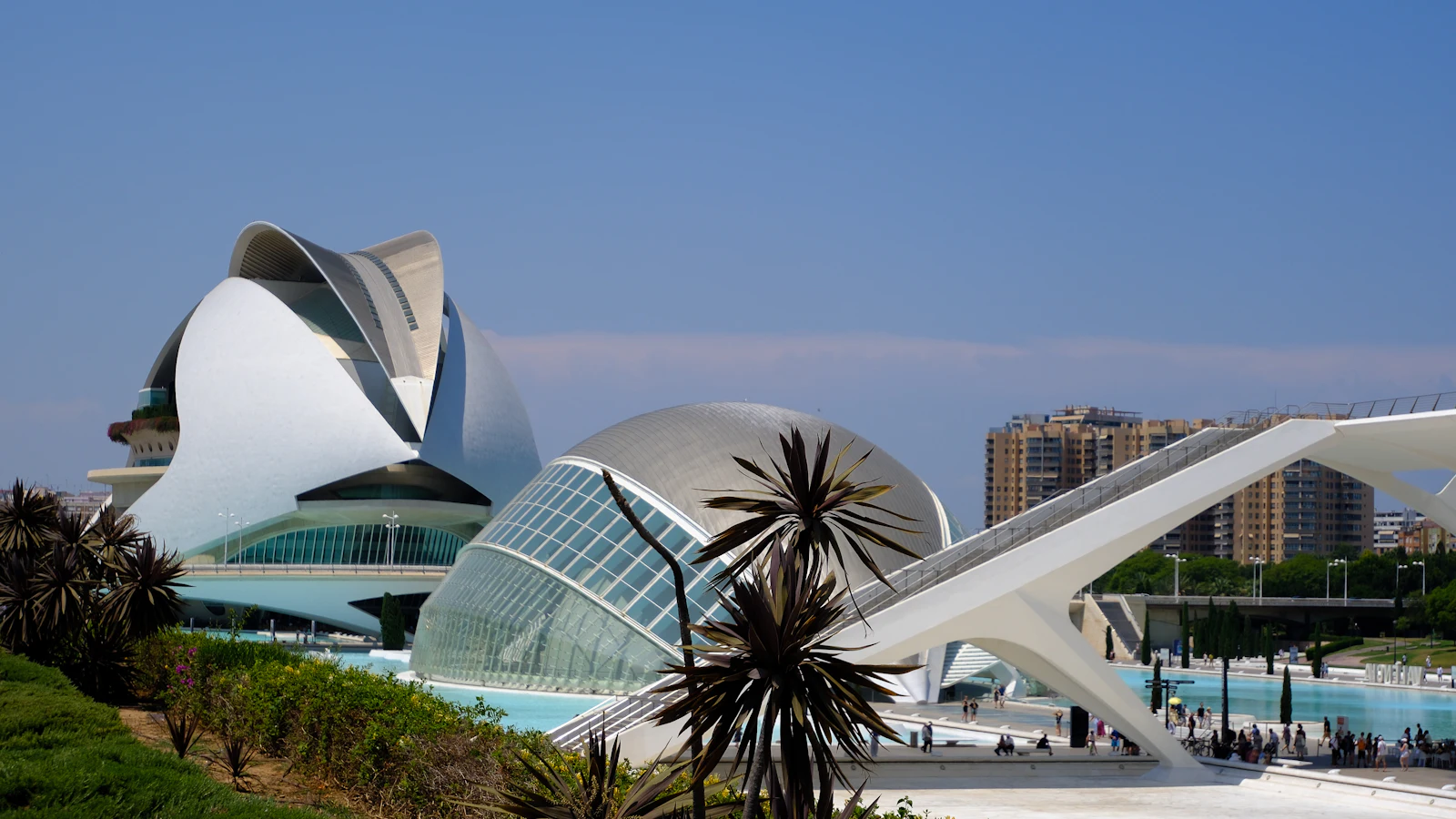
Valencia is Spain's third largest city, and for a growing number of Americans it is the one that gets the balance right. It has the beach and the weather of the south, the services and culture of a real city, and a cost of living that stretches a US salary or pension much further than the capital. It is big enough to have everything you need and small enough to cross by bicycle in half an hour.
This guide is written from Valencia. Elena Alonso is a colegiada gestora (licensed administrative professional registered with the Valencia college) who lives and works in the city, and our practice helps Americans settle here in person. That local moat matters: when a school deadline, a padrón appointment, or a healthcare enrollment goes sideways, having someone on the ground in Valencia is the difference between a smooth month and a stressful one.
Below we cover the practical decisions in order: which neighborhood fits you, what things actually cost in 2026, how schools and healthcare work, the climate and transport, the expat and remote-work community, whether to buy or rent, and the food and beaches that make daily life here what it is. If you work remotely, pair this with the Digital Nomad Visa guide.
It helps to see how Valencia sits against the alternatives. Compared with Madrid it trades a slightly smaller job market for the beach, lower rents, and a gentler pace. Compared with Barcelona it offers a similar coastal lifestyle at a lower cost and without the intensity of a major tourist capital. Compared with the Costa del Sol it feels more like a real, working city and less like a resort strip. That middle position, a proper city with a beach at a reasonable price, is exactly what most relocating Americans are looking for, and it is why Valencia keeps rising in the rankings. For the wider comparison, see our guide to the best places to live in Spain.
Neighborhoods for Americans
Valencia's neighborhoods (barrios) each have a distinct character, and choosing the right one shapes your daily life more than any other decision. Here are the five Americans gravitate toward, and who each one suits.
- Ruzafa (Russafa): the lively, design-forward barrio, full of cafes, independent shops, restaurants, and nightlife. It draws younger remote workers and creatives who want to walk everywhere and be in the middle of things. Rents here are among the higher central ranges, and the energy is constant.
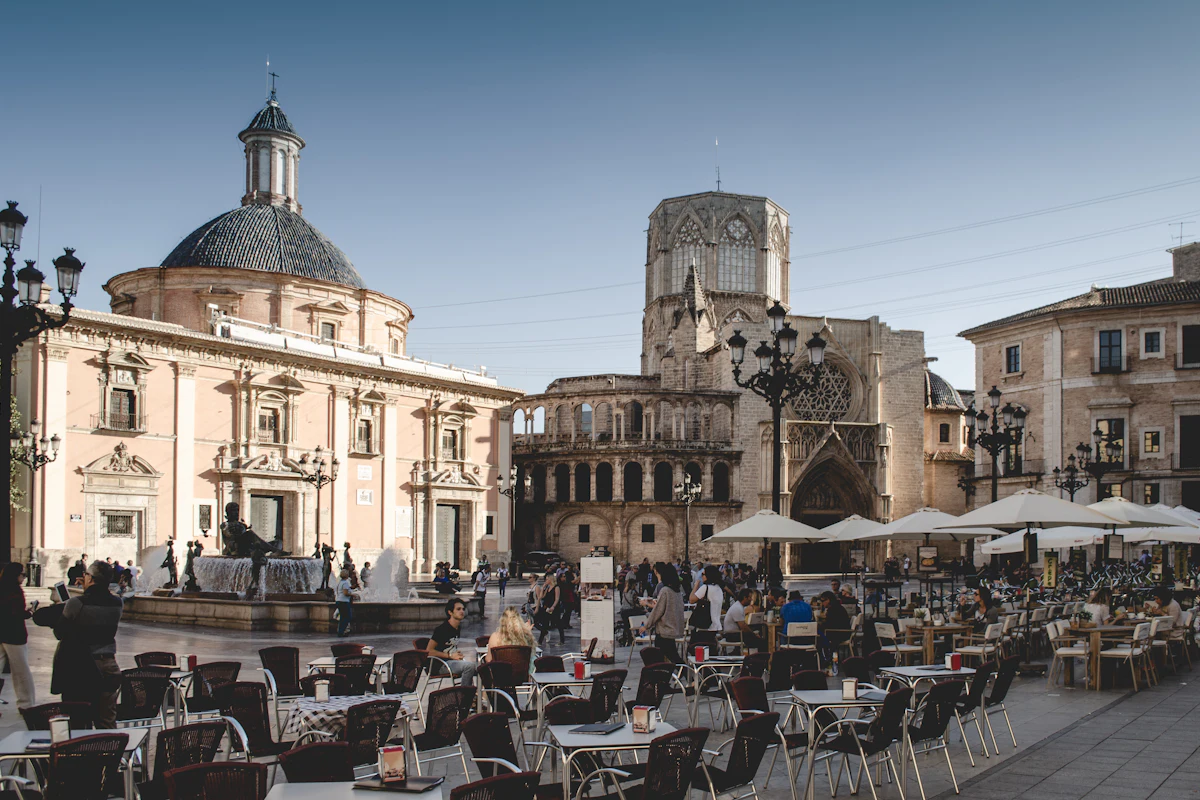
- El Carmen: the historic old town, with medieval streets, plazas, and centuries of character. It suits those who want to live inside the postcard, close to landmarks and nightlife. The trade-offs are older buildings, some without elevators, and tourist foot traffic.
- Cabanyal (El Cabanyal):the revived fishermen's quarter by the beach, known for its tiled facades and a strong sense of community. It has become popular with expats and artists who want the sea at the end of the street and a village feel inside the city.
- El Pla del Real: a quiet, green, residential area near the university and the Turia gardens. It suits families and anyone who wants calm, leafy streets, good schools nearby, and an easy walk into the center without the noise.
- L'Eixample: the elegant, central grid south of the old town, including the sub-area around Gran Via. It offers handsome early-1900s buildings, wide avenues, and a central-but-residential feel that appeals to professionals and families who want space and location together.
Most Americans rent in one of these for the first six to twelve months, learn the rhythm, then decide where to settle. The right barrio depends on whether you prioritize nightlife, the beach, quiet, or the historic center.
Cost of Living in Valencia
Valencia costs noticeably less than Madrid, Barcelona, or a typical US coastal city, which is a large part of its appeal. The figures below are indicative for 2026 and move with the rental market and the euro, so treat them as planning ranges rather than fixed prices.
| Item | Indicative monthly cost | |
|---|---|---|
| One-bedroom apartment, central | about 900 to 1,300 EUR | |
| Two to three-bedroom, family | about 1,300 to 2,000 EUR | |
| Groceries, single person | about 250 to 350 EUR | |
| Utilities and internet | about 120 to 200 EUR | |
| Meal out, mid-range per person | about 15 to 30 EUR | |
| Public transport pass | about 40 to 60 EUR |
Put together, a single person lives comfortably on roughly 1,800 to 2,500 US dollars per month including rent, and a couple on around 2,800 to 3,800. Families should add school fees if they choose private or international education. Groceries, dining, and healthcare all run well below US levels, which is why many Americans find their monthly savings rate improves after moving.
A few costs surprise Americans in a good way. A strong coffee at a neighborhood bar runs a couple of euros, a haircut, a gym membership, or a doctor visit costs a fraction of the US equivalent, and the fixed-price weekday lunch (menu del dia) delivers three courses for around twelve to fifteen euros. The costs that do add up are the one-time ones at the start: an apartment deposit of one to two months, agency fees, and the setup of utilities and internet. Budgeting for those upfront is the single most useful thing you can do before you arrive.
For a full breakdown by household size and a comparison with other Spanish cities, see our cost of living in Spain guide.
International Schools in Valencia
Valencia has a solid range of international and bilingual schools, which is one reason American families settle here rather than in a smaller town. Programs run in English or as bilingual Spanish and English tracks, and several follow British or international curricula that transfer well back to the US.
- American School of Valencia (ASV): follows a US-style curriculum in English, a natural fit for families who want continuity with American education.
- Caxton College: a well-regarded British school offering an English curriculum from early years through secondary, popular with international families.
- Cambridge House Community College: a British international school with an English-language program and a long track record with expat families.
Public and concertado (semi-private) schools are also an option and cost far less, though instruction is in Spanish and Valencian, which suits families committed to full immersion. Places at popular international schools fill early, so start applications well before your move. For a wider view of the system and admissions timing, see international schools in Spain.
Healthcare in Valencia
Valencia offers strong public healthcare alongside private clinics that cater to expats. The regional public system runs a network of hospitals and health centers (centros de salud), and residents enrolled through work contributions or a convenio especial access care at very low cost.
Public hospitals in the city include large general and university hospitals with strong specialist departments. For everyday care you register at a local health center and are assigned a family doctor (médico de cabecera). The quality is high, though popular specialty appointments can involve a wait, which is why many Americans add private insurance.
Private clinics and hospitals in Valencia offer faster specialist access and English-speaking staff, and private insurance is affordable by US standards, often starting from modest monthly premiums. Digital Nomad Visa and Non-Lucrative Visa applicants generally need compliant private coverage in place before arrival. For how public and private care fit together, see healthcare in Spain.
Weather Year-Round
Valencia enjoys a mild Mediterranean climate with around 300 days of sun a year, and the weather is a core reason Americans move here. Winters are gentle and rarely cold, summers are warm and humid but tempered by the sea breeze, and spring and autumn are long, bright, and comfortable.
Compared with the rest of the country, Valencia sits in a sweet spot. It avoids the harsh winters and dry summer heat of inland Madrid, and it is warmer and drier than the green north around San Sebastian. The main seasonal note is that late summer and early autumn can bring occasional intense rain storms (gota fria), so the drainage and the Turia riverbed park exist for good reason.
In practice the climate means an outdoor life. Terraces stay open much of the year, the beach is usable well beyond the summer, and cycling is comfortable across most seasons. For many Americans coming from colder or grayer US regions, the year-round light is the change they notice first.
Getting Around: Metro, Bike, Walk
Valencia is flat, compact, and built for moving without a car. Most residents walk or cycle for daily life and use public transport for longer trips, and a private car is optional rather than necessary.
- Walking: the center and most residential barrios are walkable end to end, with wide pavements and pedestrian zones.
- Cycling: the city is famously flat and has an extensive bike-lane network, much of it running along the Turia gardens, a former riverbed converted into a green park that loops through the city. The Valenbisi public bike-share makes cycling easy for newcomers.
- Metro and tram: the Metrovalencia network connects the center, the suburbs, the beach, and the airport. The tram reaches the Malvarrosa beach and northern neighborhoods.
- Bus: an extensive EMT bus network fills in the gaps, with monthly passes that keep commuting cheap.
The airport sits a short metro ride from the center, and the main train station connects Valencia to Madrid by high-speed rail in under two hours. For most Americans, the ability to live a full life on foot and by bike is one of Valencia's quiet luxuries.
The American Expat Community
Valencia has a warm and growing American and English-speaking community, which makes the first months far less lonely. Over the past few years the city has become a magnet for US remote workers, families, and retirees, and the community has matured with them.
You will find active online groups for newcomers, regular meetups, language exchanges (intercambios), and events aimed at internationals. These networks are practical as well as social: they are where people share which gestor to trust, how a school admissions round went, or which neighborhood suits families. Many of our own clients meet friends through these circles within weeks of arriving.
The community is large enough for an easy landing but not so large that it isolates you from Spanish life. Most Americans who thrive here use the expat network as a bridge, then build a local circle through their barrio, their children's school, or their coworking space.
One reason Valencia feels welcoming is that it is not a brand-new expat city inventing itself overnight. It has absorbed newcomers steadily, so the infrastructure for arriving, the English-friendly services, the meetups, the international schools, and the professionals who help you settle, has grown up alongside the community rather than lagging behind it. For Americans nervous about the loneliness that can follow a big move, that maturity is reassuring.
Coworking and Digital Nomads
Valencia has become one of Spain's stronger bases for remote workers, with a deep coworking scene, fast fiber internet, and a cost of living that lets a US remote salary go far. That combination is why so many Digital Nomad Visa holders choose the city.
Coworking spaces are spread across the center, Ruzafa, and the beachside barrios, ranging from quiet professional offices to social, community-driven hubs that run events and networking. Fiber connections of several hundred megabits are standard and affordable, and cafes friendly to laptop work are easy to find.
The remote-work community is active and welcoming, with meetups, skill shares, and a steady flow of newcomers. For Americans earning from clients or an employer outside Spain, Valencia offers a rare mix: a real city with beaches and culture, at a price that supports the flexible life the visa is designed for. See the Digital Nomad Visa guide for the application details.
Buy vs Rent: The 2026 Property Market
Most Americans rent before they buy in Valencia, and that is the sensible order. Renting for six to twelve months lets you test neighborhoods, confirm the city fits, and get your NIE, padrón, and banking in place before committing to a purchase.
As of 2026, Valencia property remains more affordable than Madrid, Barcelona, or comparable US coastal cities, though prices and rents have risen with the city's popularity. Rental demand in central barrios is strong, so landlords often expect proof of income, a deposit of one to two months, and sometimes a guarantor, which is where local support helps.
Buying suits Americans who are committed to staying and have settled on an area. Purchase costs beyond the price include transfer tax or VAT, notary and registry fees, and legal costs, which together add roughly ten to fourteen percent, indicative. A local gestor and an independent lawyer keep the process clean, especially with the paperwork and the NIE requirement. We help clients weigh the buy-versus-rent decision against their visa timeline and tax picture.
Food Life: Paella, Markets, and Ruzafa
Valencia is the birthplace of paella, and food is woven into daily life here in a way that quickly becomes part of your routine. Traditional Valencian paella is made with rice, rabbit, chicken, and local beans, cooked over wood, and Sunday lunch by the Albufera lagoon is a local institution worth adopting.
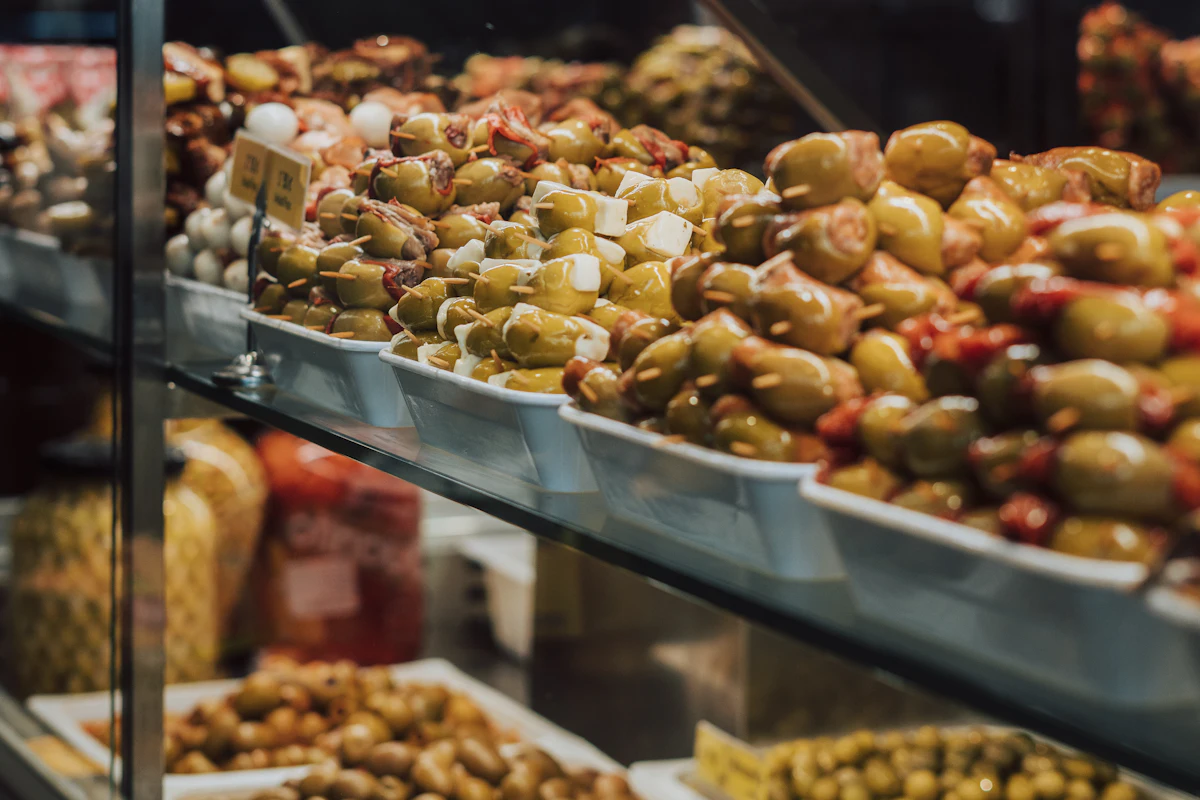
The Mercado Central is one of the largest fresh-food markets in Europe, a Modernista hall where you buy produce, seafood, meat, and cheese from stalls that have run for generations. Shopping the market instead of a supermarket is both cheaper and a pleasure, and it is how many residents anchor their week.
Beyond tradition, Ruzafa has become the city's dining heart, with independent restaurants, international kitchens, natural-wine bars, and brunch spots that suit the expat crowd. Across the city, the menu del dia, a fixed-price multi-course lunch, delivers a full midday meal at a modest price and is one of the everyday joys of Spanish life.
Valencia also has its own drinks and snacks worth adopting. Horchata, a cold, sweet drink made from tiger nuts (chufa) and served with long pastries called fartons, is a local summer ritual. Agua de Valencia, a cava-and-orange-juice cocktail, is the city's celebratory pour. And the daily culture of the almuerzo, a hearty mid-morning bite, and the evening tapas crawl means eating out is affordable and social rather than a special-occasion expense. For many Americans, the food is not a perk of moving here; it becomes the rhythm of the week.
Beach Life: Malvarrosa, El Saler, Devesa
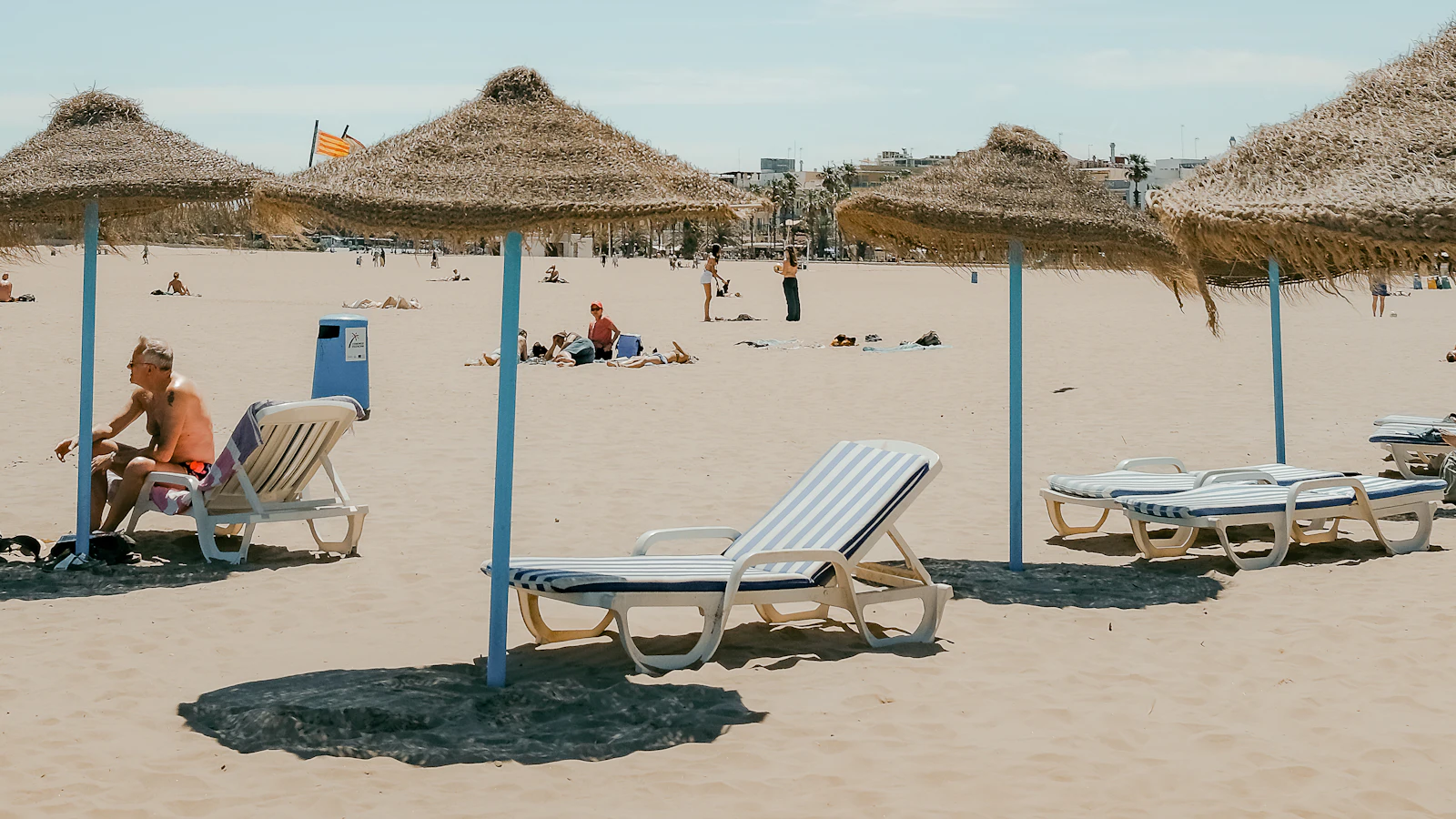
Valencia is a genuine beach city, with wide Mediterranean sand a short tram ride from the center. The beaches shape weekend life and are usable well beyond the summer thanks to the mild climate.
- Malvarrosa and Las Arenas: the wide, lively city beaches, backed by a long promenade lined with paella restaurants and reachable by tram, bike, or a walk from Cabanyal.
- El Saler: a quieter, more natural beach just south of the city inside the Albufera Natural Park, with pine forest and dunes rather than a promenade.
- La Devesa: the stretch of protected coast further into the Albufera park, favored for calm, unspoiled sand among the dunes and a break from the city crowds.
The mix of an urban beach and wild, protected coast within a few kilometers is unusual for a city this size, and it is a large part of why Americans who value the outdoors settle here.
Day Trips from Valencia
Valencia is a strong base for exploring, with mountains, lagoons, coast, and wine country all within easy reach. These are the day trips Americans return to most.
- Albufera Natural Park: the freshwater lagoon just south of the city, known for sunset boat rides, birdlife, and the rice fields that supply the paella tradition.
- Xativa: an inland town with a dramatic hilltop castle and a walkable historic center, reachable by regional train.
- Sagunto: a coastal town north of the city with a Roman theater and a hilltop fortress overlooking the sea.
- Cullera: a nearby beach town with a lighthouse and castle views, an easy coastal escape.
- Requena and the wine country: an inland region known for its wineries and cava, good for a food-and-wine day out.
High-speed rail also puts Madrid under two hours away, so weekend trips to the capital and beyond are simple. For most Americans, Valencia offers enough within a short radius to fill years of weekends.
Frequently Asked Questions
Talk to Elena
Message us on WhatsApp for a real plan
Thinking about making Valencia home?
Message Elena on WhatsApp with a colegiada gestora based in Valencia and leave with a plan for your visa, your paperwork, and your neighborhood.