Living in Madrid as an American (2026 Complete Guide)
Madrid is Spain's capital and its professional heart: landlocked, high-energy, and better value than any comparable US city. Here is what it costs, where Americans live, and how to make the move in 2026.
Madrid in 60 Seconds
Madrid is where Spain does business. It is cosmopolitan without being overwhelming, safe, walkable, and connected to the rest of Europe by a major airport and high-speed rail. For Americans, the appeal is a big-city life, opera, museums, nightlife, and a serious food scene, at prices that feel like relief after a US metro. This guide covers the real numbers and the practical steps.
Why Americans Choose Madrid
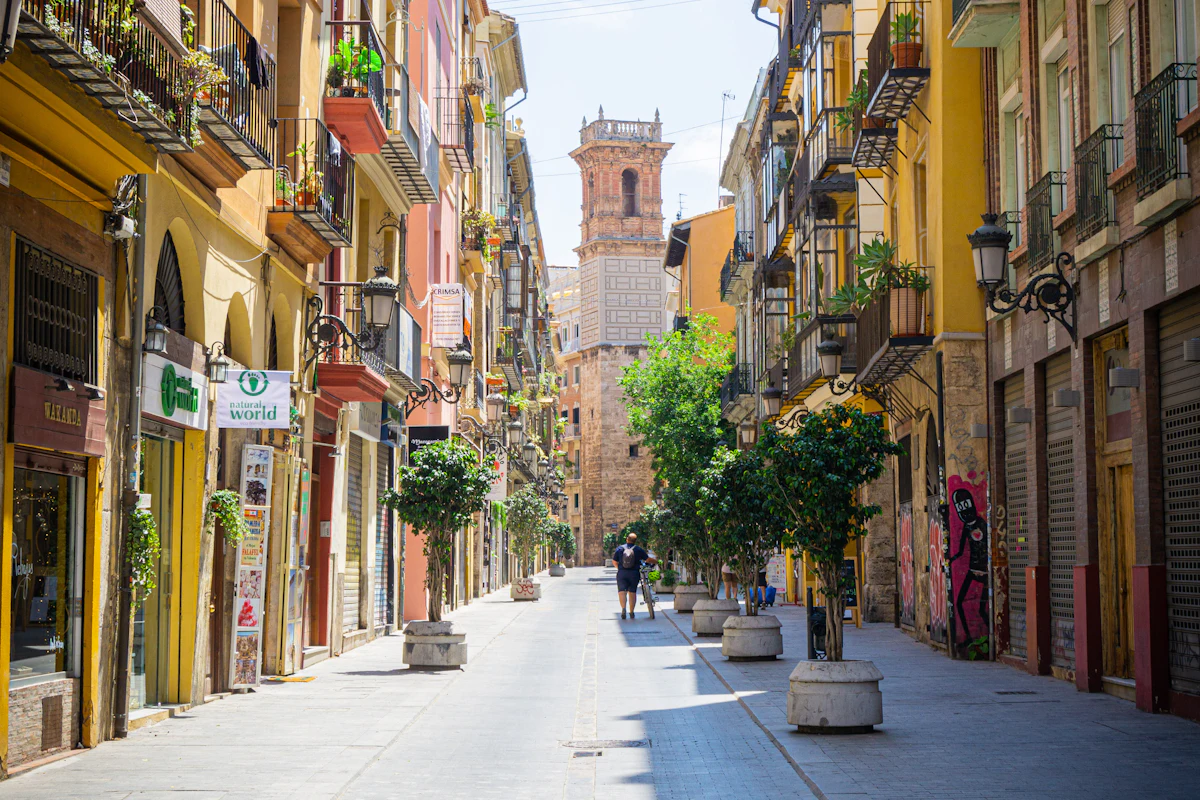
The pull is opportunity and infrastructure. Madrid concentrates Spain's corporate headquarters, so employees and entrepreneurs find the deepest job market and the best professional network. Families come for the density of international schools. Culture lovers get the Prado, the Reina Sofía, and a nightlife that runs late. And unlike coastal cities, Madrid stays fully alive year-round rather than emptying in winter.
Cost of Living in Madrid (2026)
Madrid is pricier than Valencia or Seville but still a bargain against large US cities. The table below gives approximate monthly ranges in USD for one person, next to a typical large-US-metro figure. Treat these as planning ranges, not quotes; neighborhood and timing move them.
| Monthly item | Madrid | Large US metro |
|---|---|---|
| Rent, 1-bed in the center | $1,300 to $1,900 | $2,500 to $4,000 |
| Rent, 1-bed outside the center | $950 to $1,400 | $1,800 to $2,800 |
| Utilities (electric, water, gas) | $110 to $180 | $150 to $250 |
| Internet (fiber) | $30 to $45 | $60 to $90 |
| Monthly transport pass | $22 to $60 | $80 to $130 |
| Groceries (one person) | $250 to $380 | $400 to $600 |
| Private health insurance | $55 to $130 | n/a (employer plan) |
| Dinner out for two | $45 to $75 | $80 to $140 |
For a fuller picture across cities, see our cost of living in Spain guide. Your visa also has an income floor to clear, which the income requirement calculator shows in USD.
Neighborhoods for Americans
Central and polished: Salamanca (upscale, elegant, walkable) and Chamberí (classic, residential, well connected). Social and central: Malasaña and La Latina for a younger, going-out crowd. Family and green: Chamartín and the north near schools, and the leafy suburbs of Pozuelo and Las Rozas where many families with children in international schools settle. Budget-minded movers look at Tetuán and Arganzuela.
International Schools
Madrid has one of Europe's densest clusters of international schools, including American, British, French, and German curricula, concentrated in the north and the western suburbs. Demand is high, so families apply early and often choose their neighborhood around the school run. See our international schools in Spain guide for how the system works and what to budget.
Healthcare in Madrid
Madrid has excellent public and private hospitals. For the visa you hold full private insurance, which is inexpensive by US standards, and once resident you can register for public care. Private waiting times are short and English-speaking doctors are common in the expat-heavy areas. Our healthcare in Spain guide explains public versus private, and healthcare registration is one of the post-arrival steps we handle.
Getting Around
Madrid's Metro is one of the best in Europe: extensive, cheap, and reliable, so most residents live car-free. Cercanías commuter trains reach the suburbs and the airport, and high-speed AVE trains connect Valencia, Barcelona, Seville, and beyond in a few hours. Barajas airport offers direct flights to major US cities, which matters if you will fly home often.
Visas and the Move Itself
The city is the easy part; the visa is where preparation pays off. Retirees and the financially independent use the Non-Lucrative Visa, remote workers use the Digital Nomad Visa, and both should plan the US-Spain tax picture, including Beckham Law, before arriving. After you land, the NIE, TIE, and empadronamiento steps make your residency official.
Frequently Asked Questions
Related reading
Talk to Elena
Message us on WhatsApp for a real plan
Planning a move to Madrid?
Message Elena on WhatsApp and leave with the right visa route, a realistic budget, and a document checklist for your move to Madrid.